I built Smarter Business Buyer because buying a business was far riskier than it looked.

I’m Mark Woodley. I have spent more than twenty-five years building, operating, assessing, buying and selling privately owned businesses. Smarter Business Buyer began when I went looking for a business to buy and discovered how hard it was to work out what a business was really worth, whether its profit was sustainable, and whether its value would still be there after the seller left.
First, I learned what sustainable profitability actually looks like.

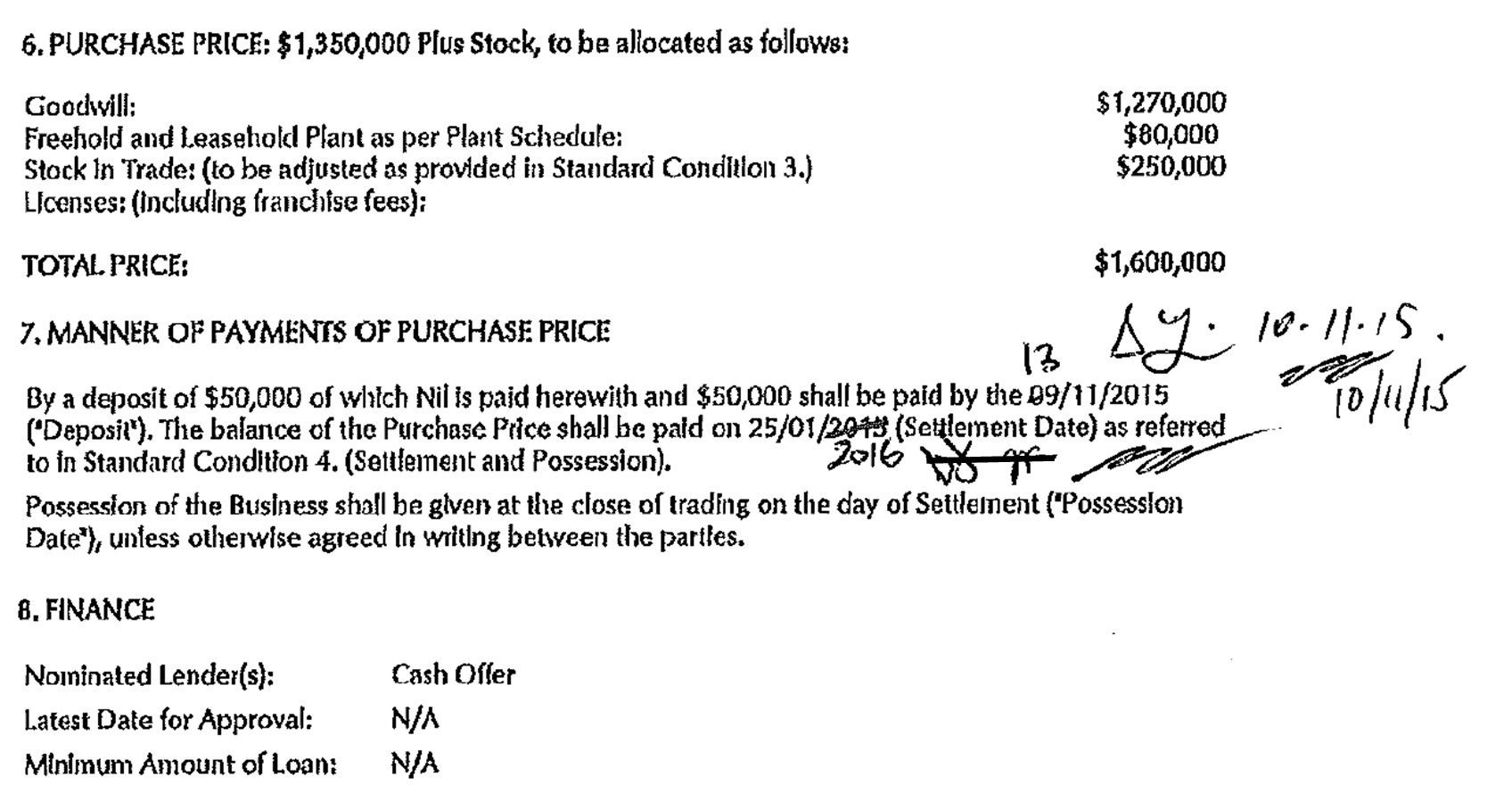
I started my first business, Ultimate Salon Supplies, from scratch and built it into an operation generating approximately $3 million in annual revenue. I owned it for thirteen years. It traded strongly through the Global Financial Crisis, and for approximately seven of those thirteen years it ran under operational management, without me in its day-to-day operation. That mattered: a business can appear profitable while the owner is holding everything together. The real test is what remains when the owner steps away — the customers, the management, the systems, the reputation, and the profit left after the owner’s work is properly accounted for. I built the business around those principles, and that is what I sold, for $1,600,000.
Then I went looking for another one — and found the problems.
Years later I began searching for an established, consistently profitable business that could survive a change of ownership. Some of the businesses I looked at progressed to negotiation and contract, but proper investigation during due diligence kept uncovering issues that materially affected value and sustainable profitability. Customer relationships that could leave with the seller. Revenue that depended on the seller’s reputation or effort. Informal arrangements that would not survive settlement. Reported profit that changed once the true cost of replacing the owner was included. The business might still be profitable — but not necessarily for me, and not necessarily at the asking price.
Worse, the standard process expected me to negotiate a price and sign a contract before I had enough information to understand the business. By the time due diligence began, money was spent and momentum had built. I needed a way to identify more of the risk earlier — while I could still walk away, without being in a legal contract of sale.
So I built the process I needed as a buyer.
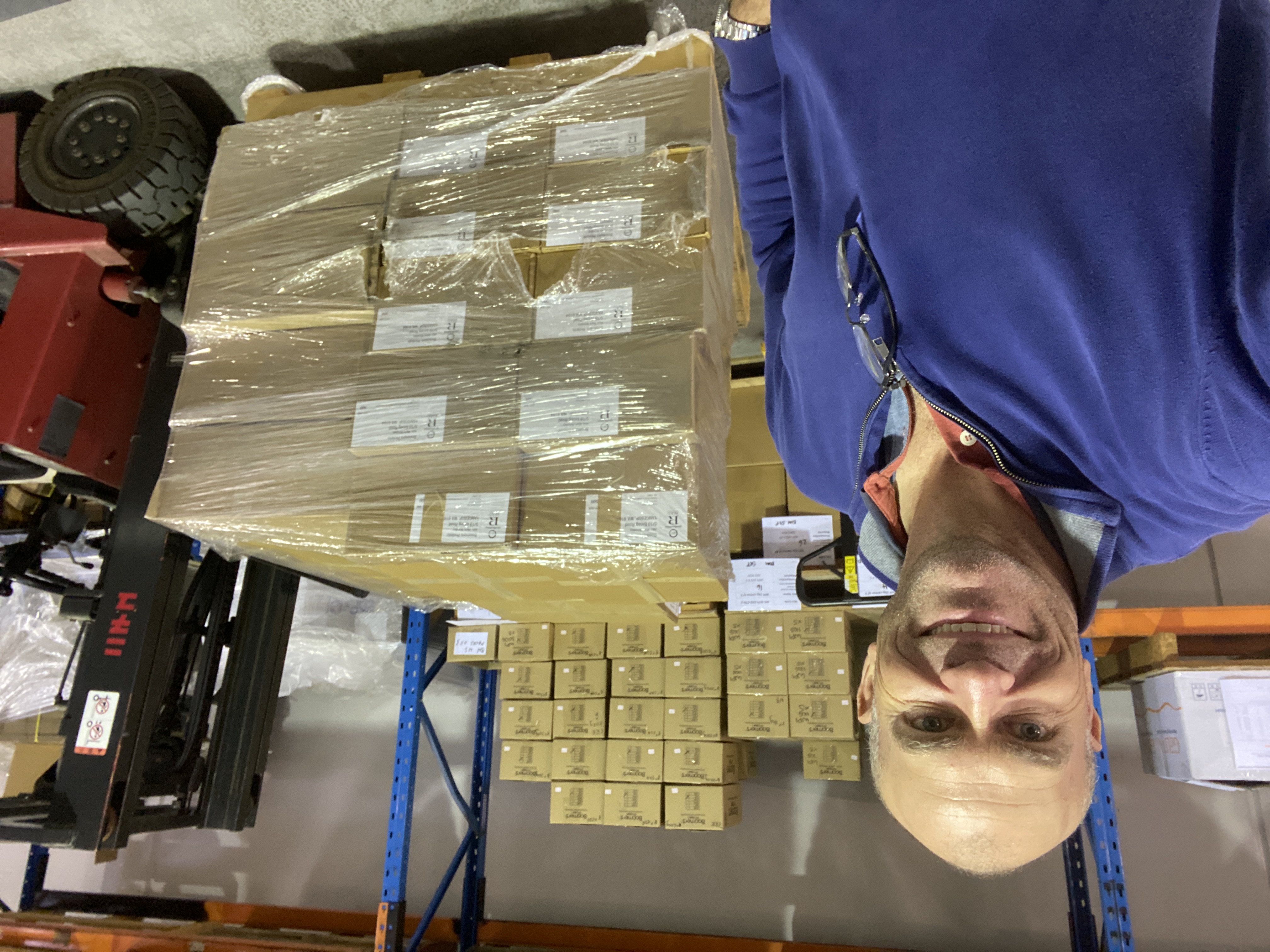
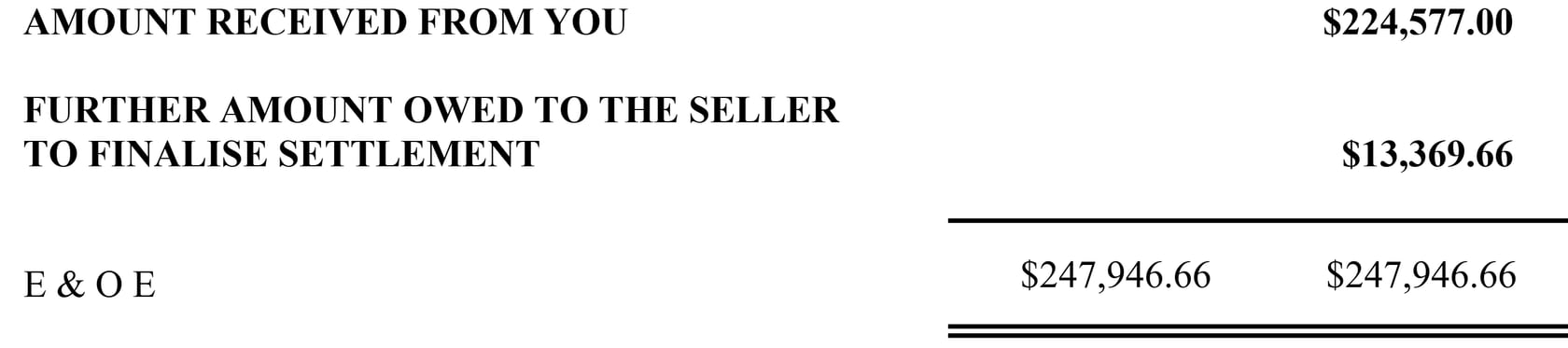
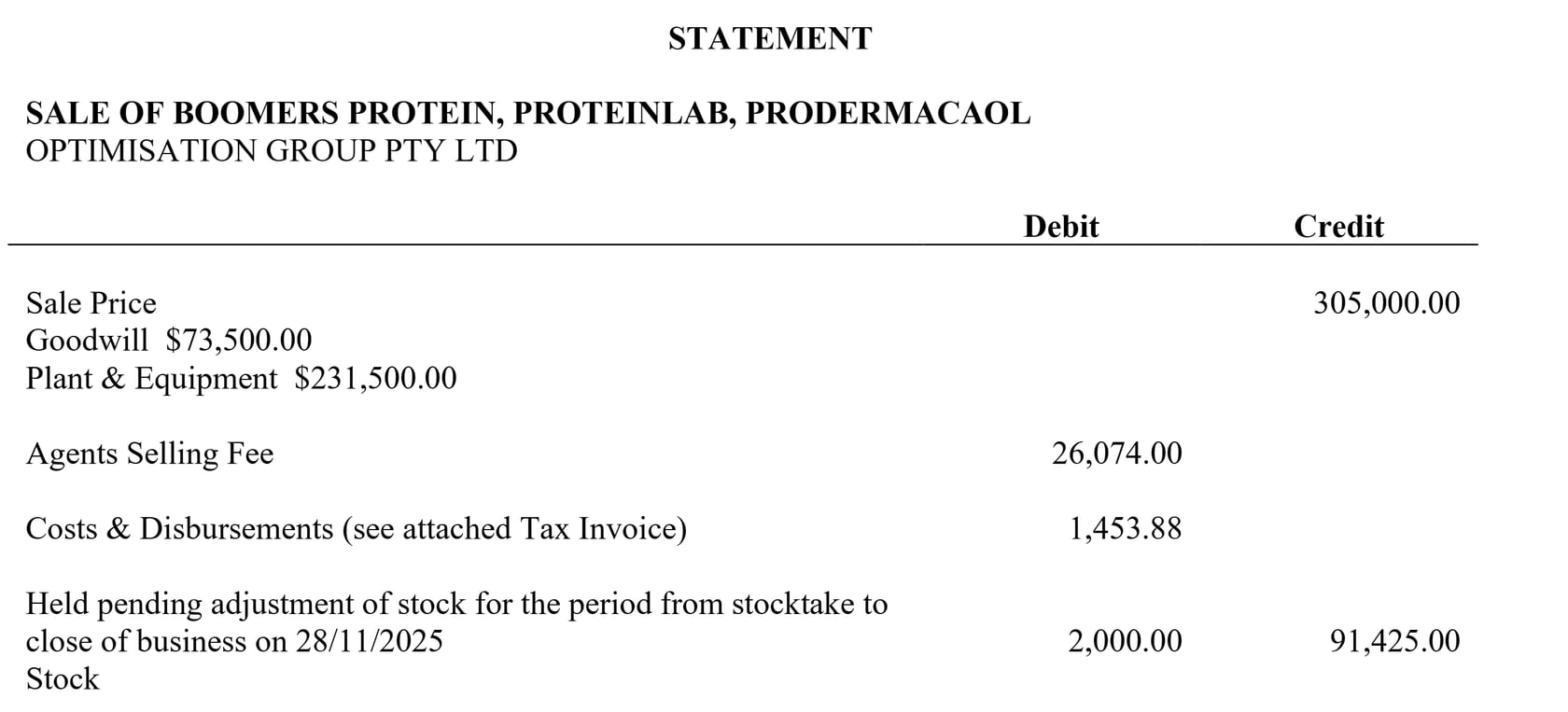
I documented the questions, calculations, filters and decision points required to investigate a business in the right order: first the buyer, then the business, then whether the reported profit was real, sustainable and transferable — and what still needed to be proved before committing further money. I then went searching, and put 135 businesses through the basic filter, ranging in asking price from approximately $250,000 to $2 million. Using the process, I identified a sustainably profitable protein business and purchased it in 2022 for $247,946.66. I held it for three years and two months, then sold it in 2025 for $396,425.00. After the agent’s selling fee and the costs of sale, the net amount I received at settlement was $368,394.60. That put me on both sides of a business transaction: buyer, owner, and seller. But the system was shaped as much by the 134 businesses I did not buy as by the one I did.


What the filters ruled out.
Every business is counted at the stage it stopped.
- → 135 businesses were put through the basic filter
- → 122 stopped there
- → 9 passed to secondary filter analysis and stopped at pre-due-diligence
- → 3 stopped at due diligence
- → 1 passed every filter, was purchased, and was later sold
Why this matters.
The right business changes your life for the better. It pays you properly for your work, it gives you control over your time, and it builds something you can eventually sell. The wrong one does the opposite, and it does not stop at money — it takes years to unwind, and the strain reaches your finances, your relationships and your health. The difference between the two is rarely luck. It is what you established before you signed. That is the outcome this process exists to influence. No buyer should have to make a decision this size on the information a seller chooses to provide.
Buy proven, transferable profit — not promises.
The 122 businesses that stopped at the basic filter did not stop because they were bad businesses. They stopped because they showed no signs of sustainable, transferable profitability. A buyer should not pay the seller for improvements the buyer still has to create. The aim is to find a sound business with profit that already exists, understand whether that profit is likely to transfer, and then identify improvements you are capable of implementing yourself. Perfection is not bought. It is created after you buy well.
Practical experience, supported by formal study.
I hold a business degree and a Graduate Certificate of Entrepreneurship and Innovation from Edith Cowan University. The formal study matters, but Smarter Business Buyer was shaped primarily by firsthand experience — building a business, operating it through a downturn, buying one, selling both, and walking away from businesses under contract once due diligence exposed what the pack had not.

An educator on your side — not the seller’s broker.
I am not selling you a business, I do not work for the seller, and I receive no commission if a transaction proceeds. I also do not replace your lawyer, accountant or licensed financial planner. I teach and apply the Smarter Business Buyer process alongside you — helping you investigate, ask better questions, and take the right issues to your professional advisers. The goal: before you sign, you understand what you are buying, what is likely to transfer, and what remains uncertain.
Work through your business-buying decision with someone who has been there.
Whether you are defining what to search for, filtering opportunities, preparing an offer or investigating a business under contract, we can work through your situation using the Smarter Business Buyer system.
“The seller has a broker working for them. You should have someone working for you — except yours teaches you to do it yourself.”